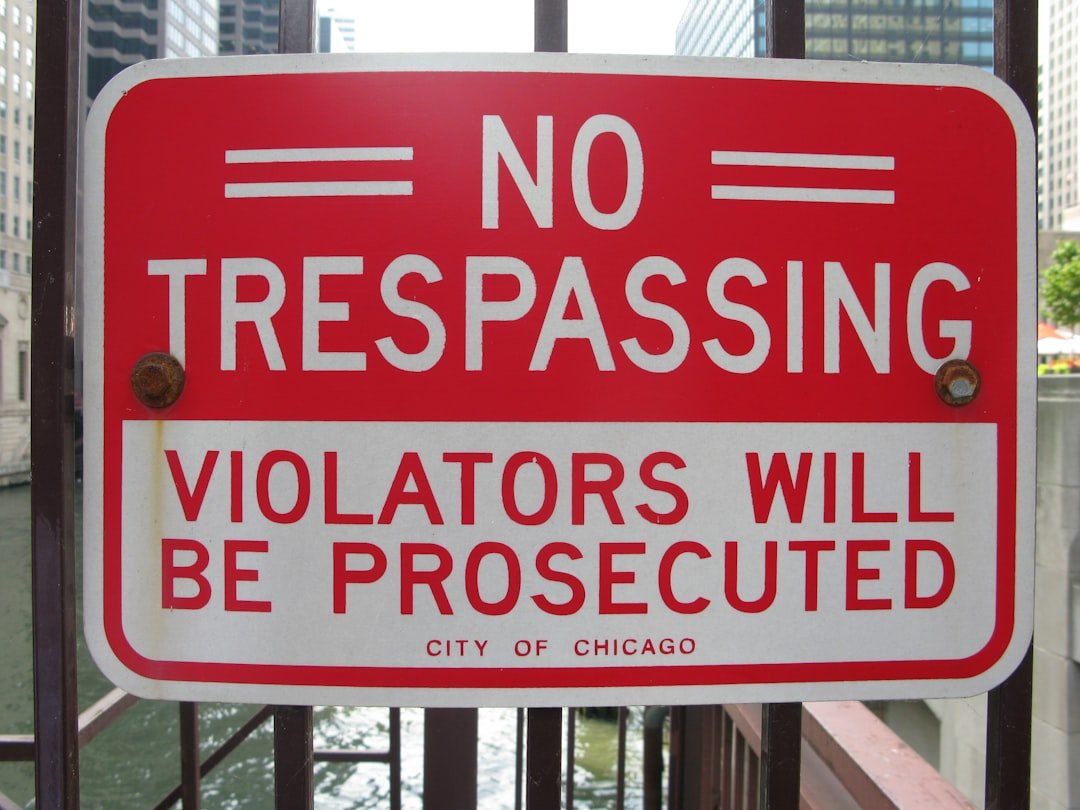
Federal land managers have implemented new access restrictions across more than 8,600 acres of public land in North Idaho following documented violations by recreational users, prompting concerns among outdoor enthusiasts, property rights advocates, and local economies that depend heavily on recreation tourism throughout the Silver Valley and surrounding region.
The restrictions, which affect thousands of acres of federally managed public land in Idaho, come after land management officials reported repeated violations of existing rules — including illegal off-road vehicle use, unauthorized camping, and resource damage in sensitive areas. Officials say the closures are intended to protect natural resources and give damaged ecosystems time to recover, though critics argue the heavy-handed approach punishes law-abiding users for the actions of a few.
What the Access Changes Mean for Idaho Outdoor Recreation
North Idaho’s recreation economy represents a significant and growing portion of the regional economic base, particularly in Shoshone County, where communities like Wallace, Kellogg, Mullan, and Osburn have invested substantially in outdoor tourism infrastructure in recent decades. Attractions including the Route of the Hiawatha, the Trail of the Coeur d’Alenes, Lookout Pass ski area, and Silver Mountain Resort draw visitors from across the Pacific Northwest and beyond.
When large swaths of federal land become inaccessible — whether through formal closure orders, seasonal restrictions, or access condition changes — the downstream economic impact on small businesses, outfitters, guides, and hospitality operators can be significant. Hunting, hiking, snowmobiling, mountain biking, and off-road vehicle recreation all contribute to the regional economy in ways that are difficult to fully quantify but deeply felt by local business owners.
For Shoshone County residents who have long relied on open public land access as part of their daily lives and cultural heritage, restrictions of this scale raise important questions about how federal agencies balance enforcement priorities with the rights and traditions of local communities.
Property rights advocates have repeatedly raised concerns that federal land management decisions are made with insufficient input from local governments and residents who understand the specific conditions and needs of their communities. Shoshone County, like much of rural Idaho, includes vast tracts of federally managed land, meaning that decisions made in Washington or regional offices carry outsized weight for residents who have no formal vote in those determinations.
Violations Cited as Driving Factor Behind Closure Decision
According to federal land managers, the access restrictions were triggered by documented patterns of rule violations that caused measurable damage to public land resources. Specific violations cited include unauthorized motorized vehicle use in designated non-motorized areas, illegal campfire activity, and resource extraction violations. Officials say they attempted less restrictive remedies before moving forward with formal closures.
Land managers emphasized that responsible recreational users who follow posted regulations and respect land management guidelines remain welcome in the vast majority of public lands across North Idaho. The closures, they say, are targeted at specific parcels where damage has been most acute.
However, enforcement of these restrictions presents its own set of challenges. Federal agencies managing public land across Idaho often operate with limited personnel relative to the size of the areas they oversee. Local law enforcement agencies, already navigating complex jurisdictional questions — including issues highlighted in recent reporting on Idaho law enforcement’s frustrations with legislative action — are not always in a position to fill federal enforcement gaps on public land matters.
The closures come at a time when Idaho state government is also navigating significant budget pressures, including a recent gubernatorial approval of $22 million in Medicaid disability budget cuts, leaving rural communities with fewer resources to absorb economic disruptions caused by reduced outdoor recreation access.
Outdoor recreation stakeholders across North Idaho have called for formal public comment processes and meaningful engagement with local governments before any permanent access changes are finalized. Many argue that community-based stewardship models, in which local users take an active role in land care and monitoring, have historically proven more effective than top-down enforcement approaches in rural Western states.
What Comes Next
Federal land managers are expected to provide additional public information regarding the specific parcels affected, the duration of the access restrictions, and the conditions under which closures may be lifted. Shoshone County residents and recreation stakeholders are encouraged to monitor announcements from the relevant federal land management agencies and to submit formal comments during any public engagement periods. Local officials may also pursue direct communication with federal representatives to advocate for restoration of access where feasible. For broader statewide context on public land and recreation policy in Idaho, visit Idaho News and the Idaho News Network.